Deadwood Removal in Doylestown, PA
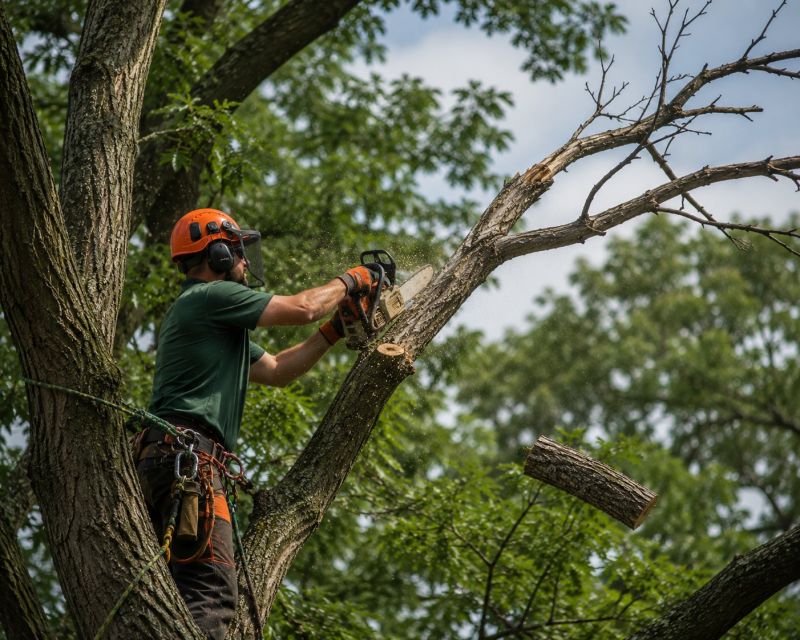
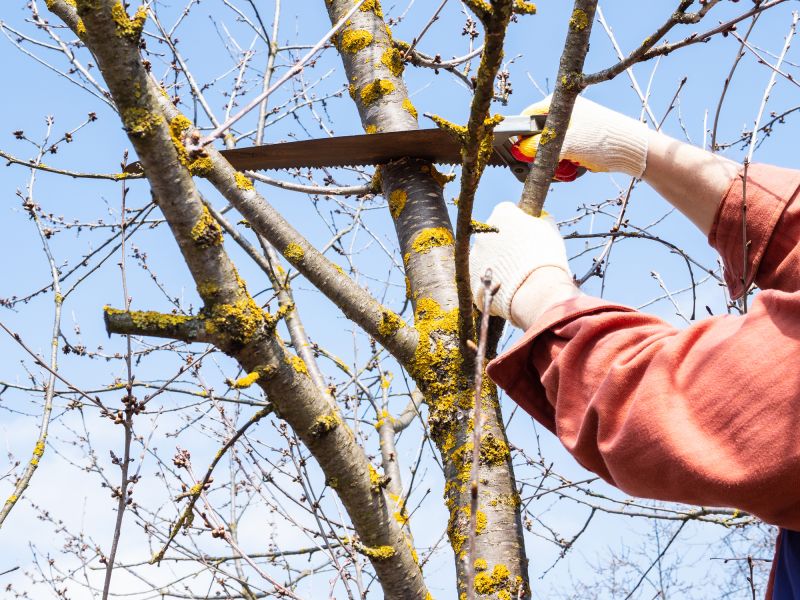
Deadwood removal services involve the safe and efficient removal of dead or fallen trees, as well as problematic branches that pose risks to property and safety. This service covers a variety of projects, including clearing storm-damaged trees, removing hazardous limbs near structures, and maintaining landscape aesthetics by eliminating decayed or dying trees. Property owners typically want to understand the scope of work involved, the equipment used, and how the process ensures safety and minimizes disruption to their property.
Before requesting deadwood removal, homeowners should consider the size and location of the trees or limbs in question, as well as any potential obstacles such as power lines or nearby structures. It's also helpful to know if permits are required for certain types of removals and whether the work involves pruning, stump grinding, or complete removal. Clear communication about these details can help ensure the project meets safety standards and aligns with property maintenance goals.
Many property owners in Doylestown, PA look into Deadwood Removal for repairs, replacements, upgrades, and appearance-related improvements.
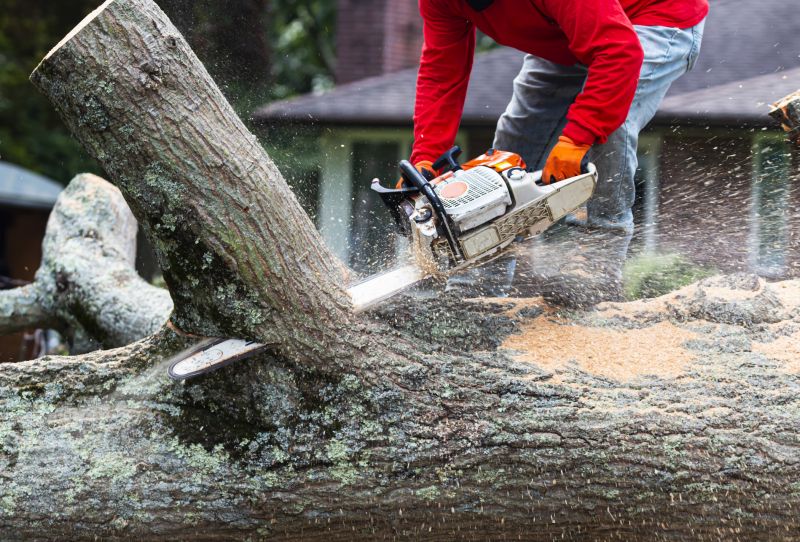
Types Of Deadwood Removed
Services include removal of dead branches, storm-damaged limbs, and hazardous trees.
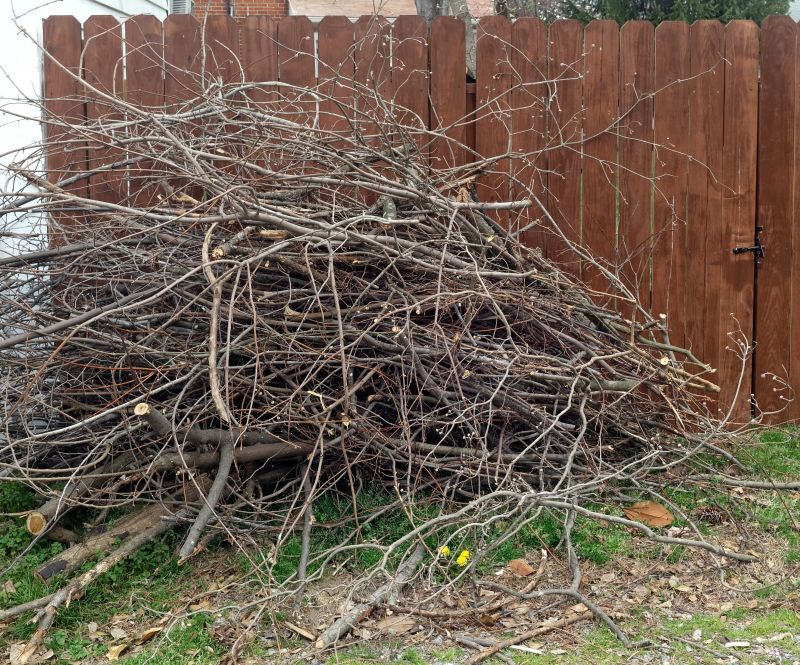
Benefits Of Deadwood Removal
Removing deadwood improves tree health, safety, and the appearance of your landscape.
Common Projects Involving Deadwood
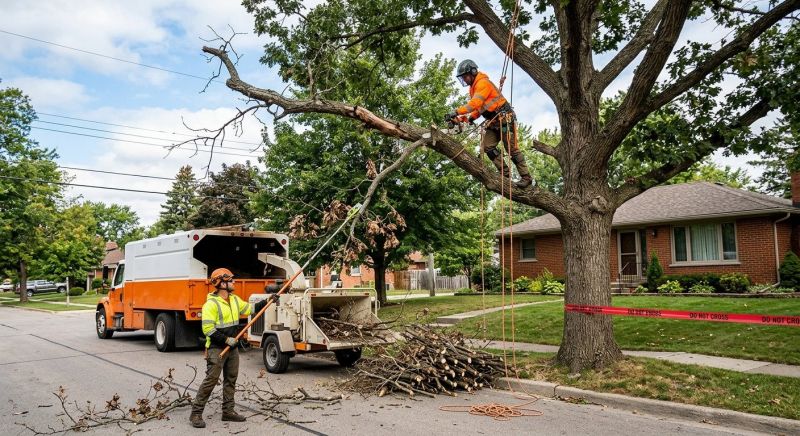
Projects often involve pruning overgrown trees, clearing storm damage, or preparing properties for maintenance.
Deadwood Removal in Doylestown, PA
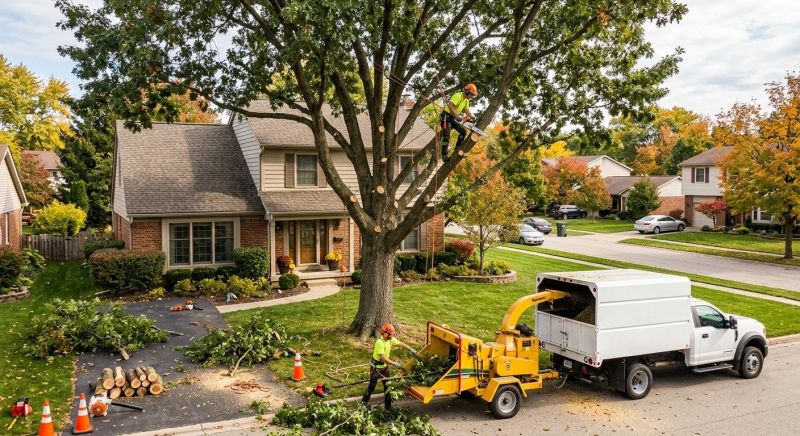
Deadwood removal services involve the safe and efficient removal of dead or fallen trees, as well as problematic branches that pose risks to property and safety. This service covers a variety of projects, including clearing storm-damaged trees, removing hazardous limbs near structures, and maintaining landscape aesthetics by eliminating decayed or dying trees. Property owners typically want to understand the scope of work involved, the equipment used, and how the process ensures safety and minimizes disruption to their property.
Before requesting deadwood removal, homeowners should consider the size and location of the trees or limbs in question, as well as any potential obstacles such as power lines or nearby structures. It's also helpful to know if permits are required for certain types of removals and whether the work involves pruning, stump grinding, or complete removal. Clear communication about these details can help ensure the project meets safety standards and aligns with property maintenance goals.
Many property owners in Doylestown, PA look into Deadwood Removal for repairs, replacements, upgrades, and appearance-related improvements.
Common Deadwood Removal Jobs
Deadwood Removal - Clearing dead or fallen trees to improve landscape safety and appearance.
Storm Damage Cleanup - Removing debris and broken branches caused by storms to protect property.
Overgrown Tree Clearing - Trimming or removing trees that obstruct views, pathways, or structures.
Hazard Tree Removal - Eliminating trees posing a risk of falling or causing damage.
Uprooted Tree Removal - Safely extracting trees that have been uprooted or partially fallen.
Stump Removal - Removing tree stumps to enhance yard aesthetics and prevent pest infestations.
Deadwood Removal Questions
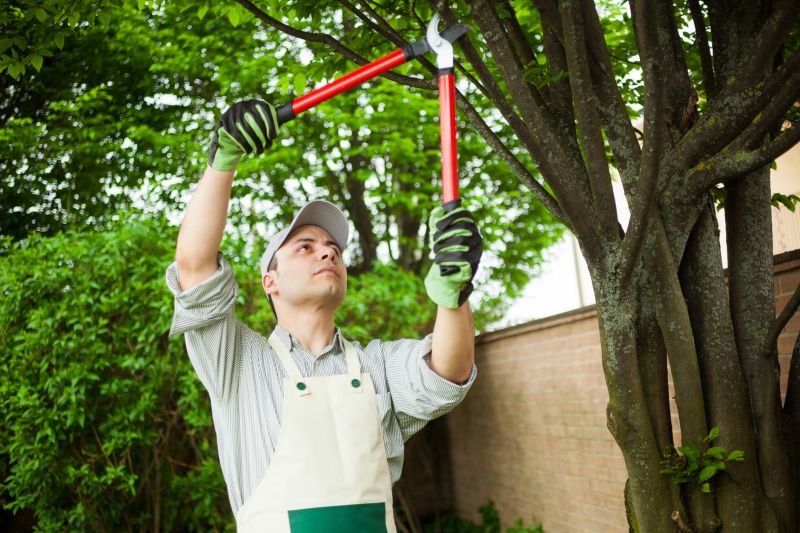
What types of dead trees can be removed? Dead tree removal services handle various tree types, including deciduous and evergreen, that are no longer healthy or pose safety risks.
Why should dead trees be removed? Removing dead trees reduces the risk of falling branches or the entire tree causing damage to property or injury.
Is dead tree removal safe for nearby plants? Proper dead tree removal considers surrounding vegetation to minimize impact and protect landscape health.
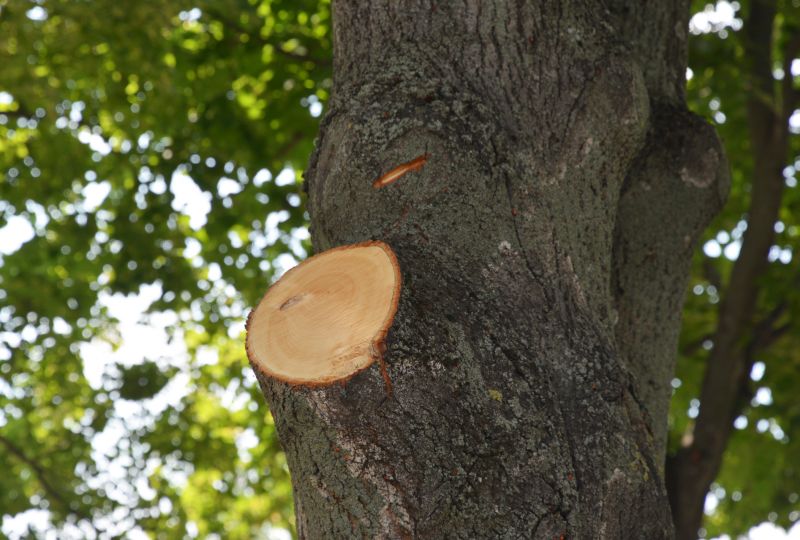
What signs indicate a tree needs removal? Signs include significant dead branches, discoloration, leaning, or visible decay in the trunk or roots.
Request Deadwood Removal in Doylestown, PA
Use the quote form on this page to share the basics of your project and request more information for the type of work you need.